A bathroom vanity has a lot riding on it. It sets the tone for the room, holds your daily essentials, and anchors plumbing and lighting. When we design bathrooms, we watch one decision ripple into the next. The vanity’s width changes traffic flow, its height affects ergonomics, its material choices influence maintenance, and the sink configuration ties into plumbing, storage, and countertop planning. Get the vanity right and the rest of the room often falls into place.
Start with the realities of your room
Before you dive into finishes and sink shapes, measure the space that truly belongs to the vanity. That means more than wall-to-wall length. Stand in the doorway and confirm how much clearance you need for entry and exit. If there is a swinging shower door, note its arc. If there is a toilet alongside, check that you maintain comfortable shoulder room. Building codes usually require 15 inches from the center of the toilet to a side obstruction, but comfort often demands more.
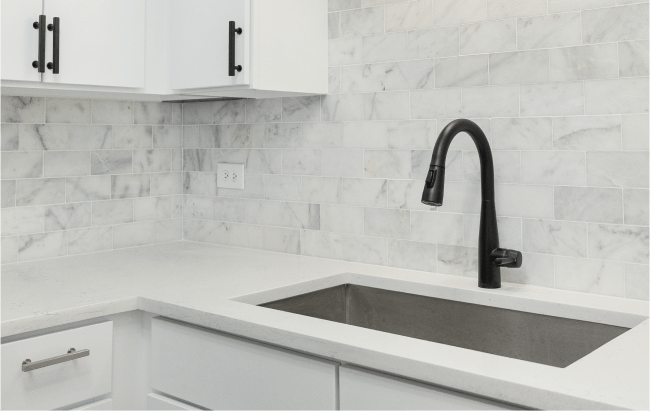
Depth matters as much as width. Standard vanity depth lands between 18 and 21 inches, but tight powder rooms may need 16. On one Chicago condo renovation, shaving two inches from the vanity box kept the bathroom from feeling like a corridor, without hurting storage. When you push beyond 22 inches, you tend to encroach on the walkway unless the room is generously sized.
Height shapes daily comfort. Most adults prefer “comfort height” vanities around 34 to 36 inches. Classic vanities sit closer to 32 inches. For kids’ baths, 31 to 33 inches keeps things reachable without a permanent stool. Vessel sinks add an extra 4 to 6 inches on top, so if you plan vessels, drop the cabinet height accordingly. A good rule of thumb is to keep the rim of the sink at the wrist bone height of the primary user when their elbows are bent at 90 degrees.
How traffic flow and storage work together
You want storage, but not at the cost of knuckle-scraping clearance. Drawer banks offer superior organization compared with a single door and cavernous base. The catch is plumbing. A full bank of drawers can conflict with the P-trap. The way around this is either a U-shaped top drawer that clears the trap or shifting the sink off center so the drawer bank sits on the opposite side. We do this often in long single-sink vanities: center the stack of drawers beneath a sconce to keep the look balanced, then offset the bowl.
For smaller baths, consider a wall-mounted vanity. By opening floor area, a floating cabinet makes the room feel larger and simplifies cleaning. It needs proper blocking in the wall to support weight, especially if the countertop is stone. In one 5-foot by 6-foot bathroom, switching from a furniture-style vanity with legs to a 42-inch floating model created the illusion of another square foot. The toe kick shadow line adds visual breath, which matters in small rooms.
Single vs. double sink, and when restraint wins
The double vanity seems like the dream, until you stand in front of it and realize the basins squeezed two inches from the ends leave you with awkward elbows. Two sinks make sense when you have at least 72 inches of width. At 60 inches, you can do it, but plan for smaller bowls and slimmer faucets, and you will sacrifice counter space. In many primary baths, one large sink with an expansive counter becomes more practical. A 48-inch single bowl with wide landing zones fits two people brushing without a bottleneck.
In a powder room, skip the second sink. Even a 36-inch single with generous counter can feel luxe. Prioritize the faucet reach and bowl shape so guests are not splashing the backsplash. For resale, the presence of a double in the primary suite still carries weight, but it is not universal. In urban rehabs where space is tight, buyers often appreciate one generous sink and more drawers.
Sinks that shape storage
Undermount sinks are the everyday workhorse. They leave the counter easy to wipe, show clean lines, and pair well with most styles. Vessel sinks bring sculptural presence, but they raise the working height and can eat into mirror placement. They also need a faucet with a higher spout and longer reach. If you love a vessel, balance its height with a 30 to 32 inch cabinet.
Integrated sinks, where the basin and top are one piece, simplify cleaning and can reduce cost. Cultured marble and solid surface versions resist stains and vanish the seam where gunk tends to build. The limitation is usually design flexibility. You get their radius and depth, not yours. For rentals or kids’ baths, an integrated top and sink keep maintenance simple.
The countertop decisions you will live with
Bathroom counters face cosmetics, toothpaste, hot tools, and hard water. Quartz stands up well to most of it. Modern patterns give you stone-like looks with less maintenance. Natural marble remains the romantic choice, but it etches and stains. If you go marble, choose a honed finish and accept a patina. Use trays to corral bottles, not just for style but to protect the surface from rings and drips.
For a cost-effective and modern alternative, we have used compact composites like Thinscape countertops on bath vanities. They deliver a thin, minimalist edge and high scratch resistance. While they get more press in kitchens, their durability and slim profile work in baths where you want a tailored look without the thickness of traditional stone.
Backsplash height affects both cleaning and style. A 4-inch backsplash is common, but in bathrooms with heavy use, running the counter material to the bottom of the mirror, 8 to 10 inches, saves paint and drywall from water. If you plan a full tile wall behind the vanity, skip the counter backsplash and let the tile handle splashes. Coordinate the thickness so the counter meets the tile neatly without awkward steps.
Materials for the vanity box and fronts
Not all cabinet boxes are created equal. In moisture-prone rooms, we favor plywood boxes over particleboard. Good particleboard can be stable, but cheaper cores swell if water reaches them. MDF is fine for painted door faces, giving a smooth finish without wood grain telegraphing through, but we avoid MDF for sink cutout areas or unsealed edges.

Face-frame versus frameless construction changes how much storage you gain. Frameless cabinets, common in European styles, give you wider drawer boxes for the same footprint. Face-frame cabinets offer a more traditional look and can be more forgiving with door alignment. For small bathrooms where every inch counts, frameless is worth considering.
If you like wood grain, choose species and finishes that forgive moisture. White oak in a matte finish hides water spots better than dark walnut in gloss. Laminates have come a long way and, in baths, they pull their weight. A high-pressure laminate door with a clean edge won’t mind a puddle from an unruly toothbrush. If you want texture, look for thermostructured surfaces that mimic wood without the maintenance.
Hardware and how it affects function
Handles and hinges choose the sound your vanity makes. Soft-close slides and doors aren’t just about luxury, they protect finishes and keep peace in the morning. On full-height doors below sinks, specify wide-angle hinges so you can get cleaning supplies in and out without scraping knuckles.
Pulls and knobs are more than jewelry. A 6- to 8-inch pull on a 24-inch drawer gives leverage and avoids off-center stress on the slide. For families, avoid knobs on heavy drawers where damp hands slip. If you want finger pulls or integrated channels for a seamless look, make sure the edge detail doesn’t trap water or toothpaste dust. We have replaced more than a few sleek channels after a year because they became grime collectors.
Storage that actually gets used
The best storage meets you where habits happen. If you use a hair dryer daily, a shallow top drawer will always be a fight. In that case, plan a deep drawer with a heat-resistant insert. Toothbrushes and razors live best in a top drawer with dividers. Medications should stay out of steamy zones if labeling recommends cool storage. A mirrored medicine cabinet, recessed between studs, keeps them drier than a vanity drawer.
If your vanity shares the room with a laundry closet or linen storage is scarce, consider a vanity tower. A narrow hutch that sits on the counter between sinks creates vertical storage for towels and daily items. It can also hide outlets inside the tower for electric toothbrushes and shavers. Keep the depth to 12 inches or less to maintain elbow room.
Lighting, mirrors, and why the vanity cannot be picked in isolation
The vanity sets the stage for lighting. If you plan wall-mounted sconces on either side of the mirror, make sure the vanity width leaves room for them without crowding the mirror. We aim for sconces about 65 to 70 inches off the floor, centered 24 to 28 inches apart for a single sink, and flanking each mirror in doubles. A wide single mirror looks clean but forces sconces above the mirror line. In that case, choose fixtures that push light forward, not straight down.
Mirrors affect faucet and backsplash decisions. Framed mirrors need space above the backsplash, typically at least 2 inches, to avoid a tight squeeze. If the mirror sits on the counter, ensure the seal prevents water wicking behind it. Backlit mirrors bring even light and a modern look, but they need power roughed in behind the wall at the right height. Decide early, before the drywall goes up.
Plumbing constraints that narrow choices
Existing plumbing often dictates where the sink can land. Moving a drain line across studs without access below will add labor. If the home sits on a slab, lateral moves can become costly. When we work in older homes with cast iron stacks, we assess what can be shifted without disrupting the system. Sometimes an off-center sink is the practical move that still looks intentional with the right drawer layout and lighting.
Wall-mounted faucets free up counter space and make cleaning easier, but they demand precise rough-in. The spout should land about 2 inches inside the sink bowl, with the valve handles at a comfortable reach. If you already have tile selected, confirm the escutcheon plate size works with grout lines so you avoid awkward cuts.
A process that prevents regret: the Revive 360 Renovations approach
At Revive 360 Renovations, we learned to sequence vanity decisions so surprises disappear. We start with scale, confirming width, depth, and height against the real room, not just a floor plan. Next, we lock plumbing positions and sink type. Only then do we commit to door and drawer layouts that respect the trap and supply lines. After that, we select the countertop and backsplash height to coordinate with mirror and lighting choices. Hardware, interior accessories, and finish details come last, once we know how the vanity will be used day to day.
On a recent project, the homeowner wanted a double vanity in a 60-inch alcove. Instead of forcing two small bowls, we recommended a single offset sink with a tall storage tower. That decision freed 28 inches of counter space, housed outlets for an electric toothbrush and shaver inside the tower, and created a more efficient morning routine. The client stopped misplacing hair ties, which felt like a small miracle.
Style cues: modern, classic, or something between
Modern vanities usually float, show slab fronts, and favor integrated pulls or minimal hardware. The countertop edge stays thin, around 1.25 inches, and the sink profile is simple. Choose matte finishes, a restrained wood grain, or a neutral lacquer. Tall mirrors that run to the ceiling make the room feel taller, and linear lighting keeps the look crisp.
Traditional vanities lean into furniture cues. Legs, framed doors, and warm wood tones deliver character. Marble pairs naturally, especially in a honed finish. For lighting, shaded sconces or metal with soft curves suit the mood. When space allows, we add a furniture-style toe space, not a closed toe kick, to keep the piece from feeling heavy.
Transitional design bridges the two. Shaker fronts with simple pulls, a mid-height backsplash, and an undermount sink give you wide appeal and easy maintenance. In resale-driven markets, transitional choices win. If you follow real estate trends, this aligns with the same thinking that makes The Best Cabinet Colors for Resale Value in Chicago skew toward soft whites, light grays, and natural wood.
Finish durability and moisture management
Bathrooms punish finishes with humidity. Paint grade vanities need quality enamel, and every cut edge, especially inside sink cutouts, must be sealed. We have seen beautiful drawers blister at the top rail because the inside edges were left raw. For stained woods, a conversion varnish or two-part polyurethane outlasts basic lacquer in steamy environments.
Keep a consistent gap between the vanity sides and adjacent walls for caulk. It will move with seasonal changes. Ventilation matters more than most homeowners expect. A strong, quiet fan sized to the room clears steam and protects your vanity, especially if towels hang close to the cabinet.
Power, outlets, and tech inside the vanity
If you plan to store hair tools in a drawer, specify a UL-listed in-drawer outlet with a reset switch. These modules handle heat and include thermal cutoffs. Mounting a standard outlet inside a wood box without heat consideration is an invitation to damage. We place in-drawer outlets on the hinge side to keep cords from pinching when the drawer closes.
Night lights and toe-kick lighting add safety and drama. A low-wattage LED strip on a motion sensor beneath a floating vanity guides groggy feet at 3 a.m. If the vanity is not floating, we sometimes run the strip along the toe kick recessed channel. Keep transformers accessible, usually inside a base cabinet behind a removable panel.
When custom beats prebuilt
Stock vanities get you speed and value. They shine in rental units, guest baths, and powder rooms where sizes are standard and storage needs are simple. Semi-custom gives you width adjustments in 3-inch increments, a broader door style library, and color choices. Custom becomes worthwhile when you need every inch, unique depth, special storage like full-height pull-outs, or a perfect match to existing millwork.
With custom, watch lead times. A typical timeline runs 6 to 10 weeks from sign-off to install. If you combine a stone top, add templating and fabrication. This is similar to whole room scheduling, as anyone who has planned a Complete Bathroom Remodel: Timeline and What to Expect can attest. Cabinets arrive, get set, templating happens, stone returns in a week or two, and then plumbing fixtures can be set permanently.
How Revive 360 Renovations vets quality on site
We do a dry fit for every vanity, even prebuilt. Doors and drawers get opened and closed ten times. Slides should run smooth and return softly. Drawer boxes should be square and sit flat without rocking. We check for even reveals around doors and between drawers, a simple way to confirm the cabinet arrived true. If the vanity is floating, we load it with some weight during install, simulating daily use, and recheck level. Minor tweaks prevent a slow sink toward the front that shows up months later.
Countertops get a straightedge test to confirm flatness, especially around sink cutouts. We test faucet reach with the actual fixtures, not just specs, to ensure the water stream lands in the basin center. Caulk lines stay minimal and even, a small detail that separates a tidy install from a messy one.
Pairing your vanity with the rest of the bathroom
The vanity sets the visual tone, but it must support other choices. If you are planning a walk-in shower, think about how the vanity storage complements a niche or linen cabinet. For a small bathroom remodel, aim for a consistent palette, then add one contrasting texture. A white oak vanity with a white quartz top, combined with a textured tile in the shower, keeps things balanced without feeling bland.
Flooring and vanity finishes need to agree on sheen. Matte tile floors work with satin or matte paint on cabinetry. If you go glossy on the vanity, consider a honed or matte top to keep glare down. For bathrooms with limited natural light, a lighter vanity finish bounces light and makes the room feel bigger.
Budget, value, and where to spend
If the budget tightens, spend money where you touch daily. Quality slides and hinges, a durable countertop, and precise installation pay off every single morning. Save with a simple door profile, standard paint color, and a single sink instead of two undersized bowls. Stock cabinets with an upgraded top outperform custom cabinets with a basic cultured marble top if your goal is daily satisfaction over vanity bragging rights.
In larger projects, we sometimes reprioritize funds from an elaborate backsplash to integrated storage inside drawers. Custom dividers and organizers cost less than a second slab of stone and make mornings smoother. Homeowners rarely regret efficient storage.
Common pitfalls and how to avoid them
- Choosing a vanity too deep for the room. Test with painter’s tape on the floor and walk the path. If your hip bumps the tape, go shallower. Centering the sink without checking the drawer layout. Confirm where the trap lands before ordering. Falling for a vessel sink without dropping the cabinet height. Keep the rim height practical or you will splash. Ignoring mirror and sconce spacing. Plan fixtures around the vanity width, not after. Skipping moisture-resistant finishes. Seal cut edges and protect the sink cutout.
A quick measurement and planning checklist
- Confirm width, depth, and height using blue tape on the floor and wall. Verify door swings, shower door arcs, and toilet clearances. Choose sink type and rough-in locations before finalizing drawers. Coordinate countertop thickness with backsplash height and mirror plan. Plan outlets, including any in-drawer or inside-tower power, before drywall.
A final pass on style, then commit
Once you have the practical decisions set, refine the look to suit your home. In modern spaces, keep the lines clean and the palette simple. In classic homes, bring in warmth with wood and detail with hardware. Transitional choices protect resale and play well with a range of tile and paint. If you have been browsing Modern Kitchen Design Ideas for Small Spaces, you will notice the same rules apply here: scale, light, storage, and durable materials mean more than any single trend.
The bathroom vanity works hardest when it stays honest about your habits. If you are a countertop minimalist, you can live with fewer drawers and more open space. If you like everything out and at hand, plan a wide counter and a simple, easy-to-clean top. We have installed vanities in hundred-year-old brick two-flats and new high-rise condos, and the ones that delight years later have this in common: right-sized scale, straightforward storage, durable finishes, and a layout that respects how the space actually moves.
At Revive 360 Renovations, that is the filter we use on every selection. It turns the vanity from a good-looking box into a tool that supports https://dominickmudq439.raidersfanteamshop.com/floor-leveling-when-is-it-necessary-and-how-it-s-done daily life. When the drawer you reach for holds what you need, the faucet does not splash onto your shirt, the lighting flatters without shadow, and the counter wipes clean in a single pass, the room feels like it came with the house, not as an add-on. That feeling is the quiet target worth aiming for.